The Iron Man of India - Sardar Vallabhbhai Patel
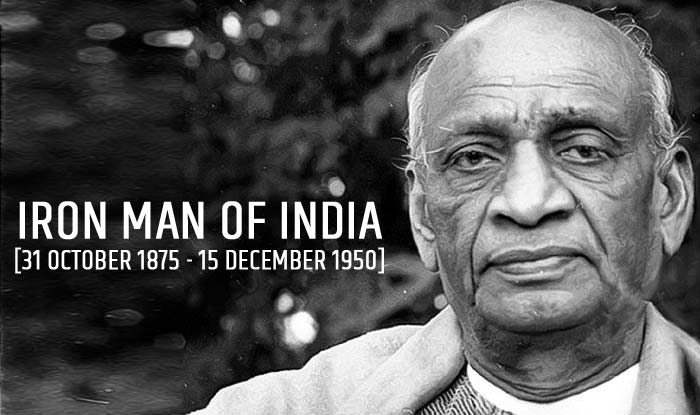
Sardar Vallabhbhai Patel, revered as the Iron Man of India, stands as a monumental figure in the nation's history, embodying unyielding strength, unity, and visionary leadership. Born on October 31, 1875, in Nadiad, Gujarat, Patel's early life was rooted in the values of hard work, resilience, and dedication. He pursued his education with determination, eventually becoming a successful lawyer. However, the call for India's freedom drew him away from his legal career and into the heart of the independence movement, where his leadership skills and steadfast resolve soon became evident.
Patel's life was a testament to his unwavering commitment to the cause of Indian independence and his extraordinary capacity to forge unity in a land diverse in languages, cultures, and traditions. He was deeply influenced by Mahatma Gandhi, under whose mentorship he embraced the principles of non-violence and civil disobedience. Patel played a crucial role in the Salt March and the Quit India Movement, demonstrating his ability to galvanize mass support and his strategic acumen in the struggle against British colonial rule.
As the principal architect of India's political integration, he masterminded the consolidation of over 560 princely states into a single, sovereign nation, a feat unparalleled in modern history. At the time of independence in 1947, India was a mosaic of princely states, each with its own ruler and varying degrees of autonomy. The task of unifying these disparate entities into a cohesive nation fell upon Patel, who approached this monumental challenge with unparalleled diplomacy and firm resolve. Through a combination of persuasion, negotiation, and when necessary, the use of force, Patel ensured that these states acceded to the Indian Union, thus preventing potential fragmentation and ensuring the newly independent nation remained whole.
His astute diplomacy and firm resolve averted potential fragmentation, securing the territorial integrity and political stability of India. Patel's efforts in integrating the princely states were not merely administrative; they were deeply rooted in his vision of a united India where diversity could flourish within a strong, centralized framework. His ability to navigate complex political landscapes, coupled with his pragmatic approach, made him an indispensable leader in the nascent stages of India's independence.
Patel's profound dedication to national unity earned him the enduring title of the "Iron Man," symbolizing his robust will and steadfastness in the face of immense challenges. His contributions went beyond political integration; he also played a key role in establishing the administrative foundations of India, including the creation of the Indian Administrative Service (IAS), which remains a crucial pillar of governance in the country. Patel's pragmatic and disciplined approach to governance set the tone for India's bureaucratic machinery, emphasizing efficiency, integrity, and service to the nation.
In recognition of his unparalleled contributions to national unity, India celebrates Patel's birth anniversary on October 31 as Rashtriya Ekta Diwas, or National Unity Day. This day serves as a reminder of Patel's tireless efforts to unify the nation and his vision of a strong, integrated India.
Further commemorating his legacy, the Statue of Unity, a colossal statue of Sardar Patel, was inaugurated on October 31, 2018, in Gujarat. Standing at 182 meters, it is the tallest statue in the world, symbolizing Patel's towering contributions to India's unity and integrity. The Statue of Unity not only honors his memory but also serves as a lasting tribute to his enduring legacy, inspiring future generations to uphold the values of unity and patriotism.
His visionary statesmanship, underscored by a pragmatic approach and an unshakeable belief in the power of unity, continues to inspire generations. Patel's legacy is not just one of historical achievement but also of enduring values that resonate in contemporary times. His life's work exemplifies the importance of strong, principled leadership in overcoming divisions and fostering a sense of collective national identity.
Sardar Patel's legacy is a beacon of integrity, resilience, and dedication to the nation, reminding us of the pivotal role strong leadership plays in shaping a country's destiny. As we reflect on his contributions, we are reminded of the power of unity, the importance of decisive action in the face of challenges, and the enduring impact of a leader committed to the greater good of his people. Sardar Vallabhbhai Patel's life and legacy continue to serve as a guiding light for India, inspiring future generations to strive for unity, integrity, and excellence in service to the nation.
Comments
Post a Comment